EN
EN


Hangzhou Mingxin Sportswear Co., Ltd.
| Place of Origin: | Hangzhou |
| Brand Name: | Mingxin |
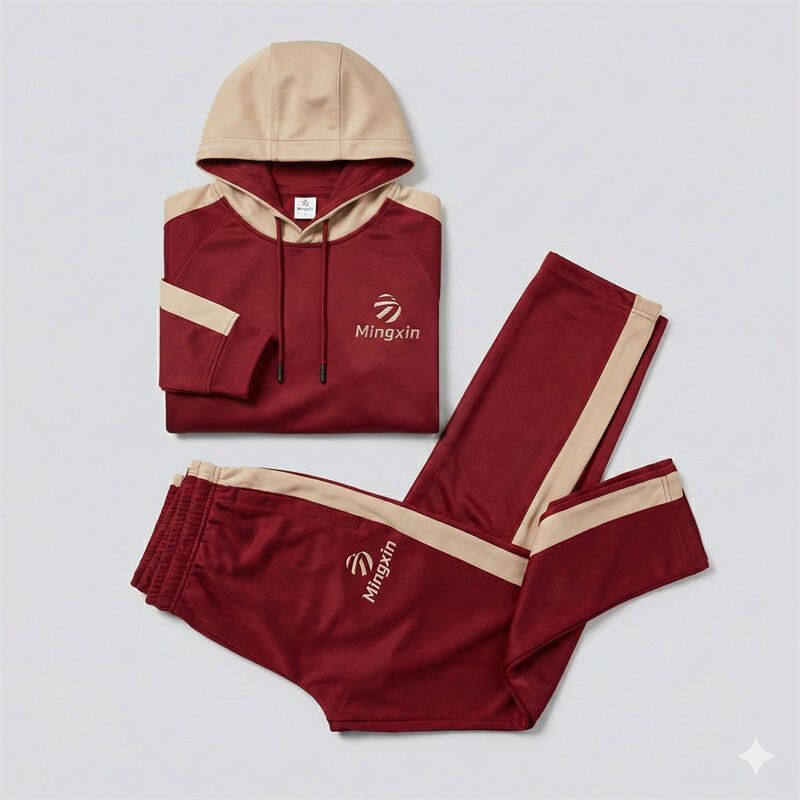
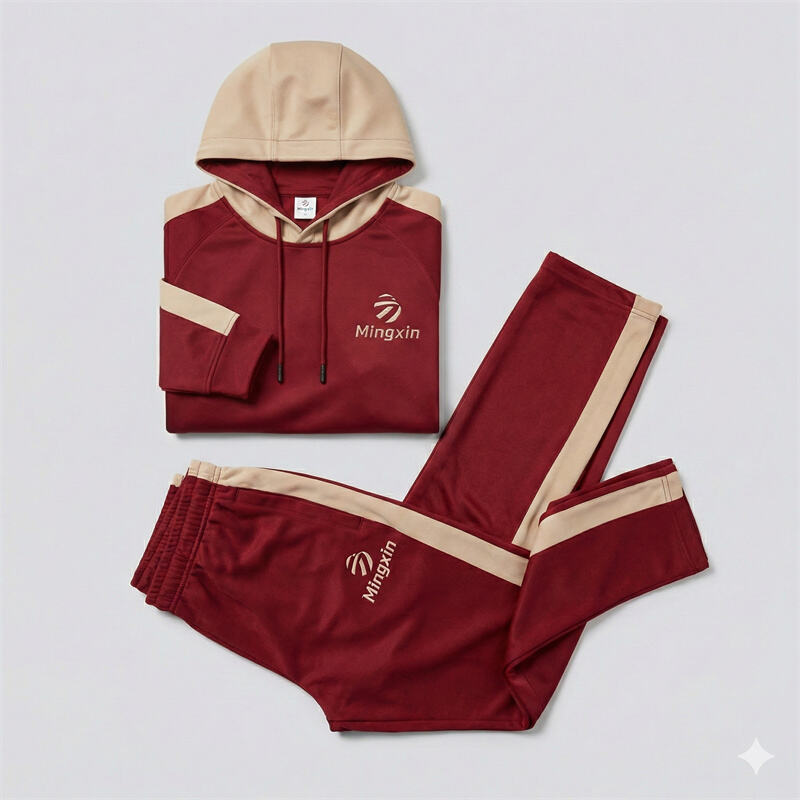
| Model Number: | Hoodie |
| Certification: | CE |
| Minimum Order Quantity: | 2 |
| Price: | 10 |
| Packaging Details: | Cardboard/Plastic |
| Delivery Time: | 7~10 |
| Payment Terms: | PayPal |
| Supply Ability: | OEM ODM |
Sportswear: Elevating Performance, Comfort, and Style
Sportswear, once confined strictly to the gym, the track, or the playing field, has undergone a revolutionary transformation over the past few decades. Today, athletic apparel represents a multi-billion-dollar global industry that sits perfectly at the intersection of high-performance engineering and cutting-edge fashion. Whether you are an elite athlete training for a marathon or a casual gym-goer seeking comfort and mobility, understanding the nuances of sportswear styles, fabrics, and functions is essential for maximizing both performance and confidence.
This comprehensive guide delves into the diverse world of sportswear, exploring essential apparel categories, fabric technologies, and the ever-growing athleisure trend.
1. The Science of Comfort: Key Fabric Technologies
The foundation of any premium sportswear garment lies in its fabric. Modern activewear relies heavily on advanced textile engineering to support the body through intense physical exertion.
Moisture-Wicking: This is arguably the most critical feature of modern sportswear. Fabrics like polyester and specialized synthetic blends are engineered to pull sweat away from the skin and push it to the outer surface of the garment, where it can evaporate quickly. This keeps the wearer dry, regulates body temperature, and prevents chafing.
Breathability and Ventilation: Strategic mesh paneling and lightweight fabrics allow air to circulate freely around the body. This is crucial for high-intensity workouts, ensuring that excess heat can escape.
Four-Way Stretch: The inclusion of elastane (commonly known as Spandex or Lycra) ensures that the garment moves seamlessly with the body. Four-way stretch fabrics expand both horizontally and vertically, providing unrestricted mobility without losing their original shape.
Compression: Compression garments are designed to fit skin-tight, applying gentle, continuous pressure to the muscles. This increases blood circulation, reduces muscle oscillation (which can lead to fatigue), and aids in faster post-workout recovery.
Antimicrobial Treatments: Many high-quality athletic pieces are treated with antimicrobial finishes, such as silver-ion technology, which prevents the growth of odor-causing bacteria, keeping the clothes fresher for longer.
2. Essential Sportswear Categories and Key Styles
The modern athletic wardrobe is built upon a versatile range of tops, bottoms, and outerwear, each tailored to specific needs and body types.
Tops: From Base Layers to Outer Shells
Sports Bras: The cornerstone of women's athletic wear, sports bras are categorized by impact level. Low-impact bras feature thin straps and softer fabrics, ideal for yoga and Pilates. Medium-impact bras offer more coverage for activities like cycling, while high-impact bras utilize molded cups, thick straps, and structured bands to minimize bounce during running or HIIT workouts.
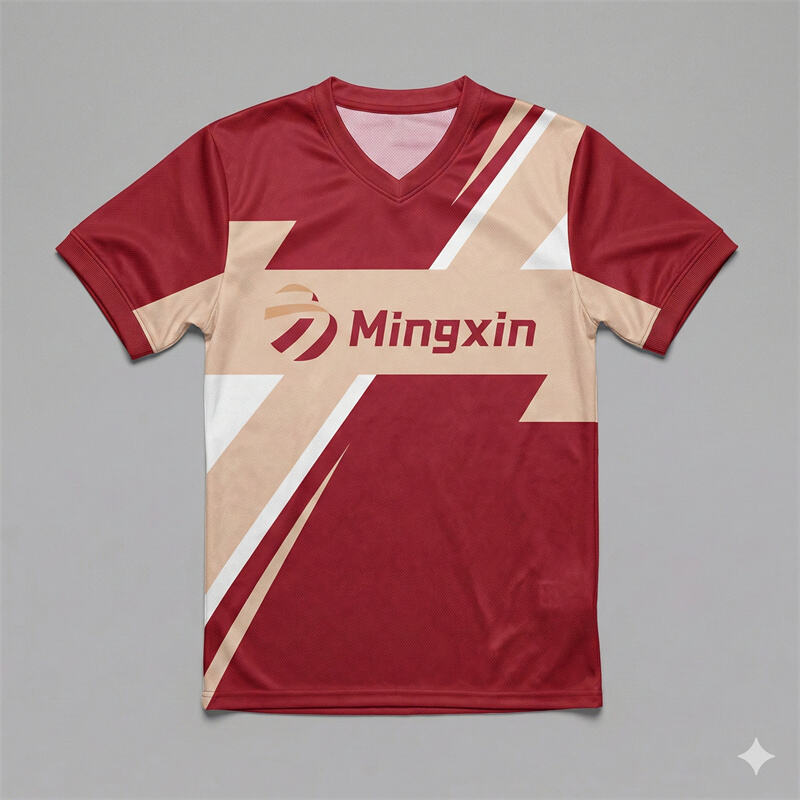
Performance Tees and Tank Tops: Available in various cuts, including muscle tees, racerbacks, and classic crewnecks. Racerback tanks are particularly popular as they free up the shoulder blades, allowing for a full range of motion during upper body exercises.
Long-Sleeve Base Layers: Designed for outdoor training in cooler weather, these tops fit snugly against the skin, providing thermal insulation while maintaining moisture-wicking properties.
Bottoms: Engineered for Motion
Leggings and Tights: Leggings have evolved into highly technical garments. Key styles include high-waisted leggings (offering core support and preventing slipping), 7/8 length leggings (hitting just above the ankle for a flattering silhouette), and seamless leggings (knitted in a single piece to eliminate chafing and maximize stretch).
Athletic Shorts: The style of shorts varies wildly depending on the sport. Split shorts have a loose fit and a high side slit, offering maximum leg extension for runners. Biker shorts are tight-fitting, mid-thigh length compression shorts that prevent inner-thigh chafing. 2-in-1 shorts combine a supportive inner compression liner with a loose, lightweight outer shell, popular in men's training and running wear.
Joggers and Sweatpants: Modern joggers feature a tapered leg, ending with an elastic cuff at the ankle. Made from materials like French terry or technical fleece, they provide warmth and comfort without the bulkiness of traditional, baggy sweatpants.
Outerwear: Protection Against the Elements
Windbreakers: Ultra-lightweight jackets designed to block chilly winds and light drizzle without causing the wearer to overheat. They are easily packable and an essential layer for outdoor runners.
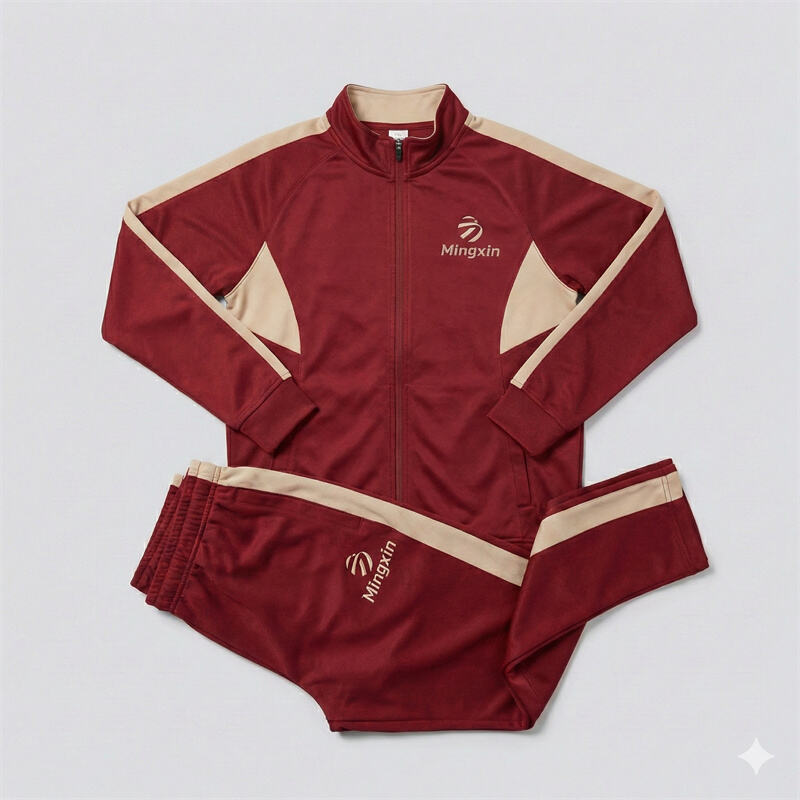
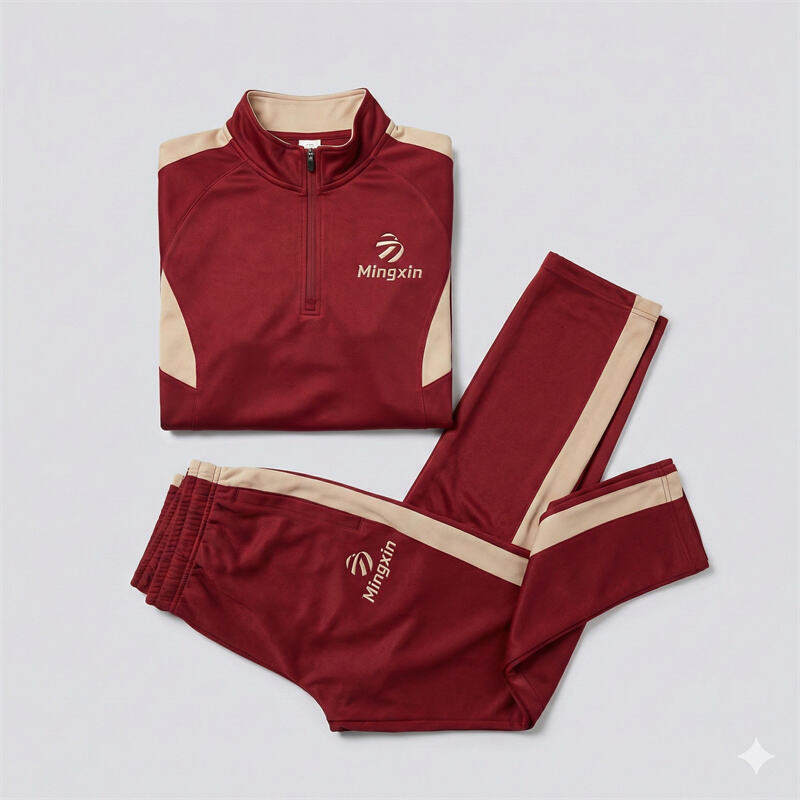
Track Jackets: Featuring a front zipper and a stand-up collar, track jackets offer a classic athletic aesthetic. They are excellent for warming up before an event or cooling down afterward.
Performance Hoodies: Unlike heavy cotton streetwear hoodies, performance hoodies utilize technical.
The primary purpose of a hoodie is to provide comfort and protection. Originally designed for athletes and laborers in the 1930s, the "hood" serves as a functional shield against wind, rain, and cold temperatures. By covering the head and ears, it helps retain body heat more effectively than a standard sweater.
Whether used for high-intensity training or a lazy Sunday afternoon, the hooded sweatshirt is a staple of utility and self-expression.
Because we allow you to focus 100% of your energy on brand marketing and sales. From a single yarn to the final exquisite garment, from design and pattern making to international logistics, we provide a truly end-to-end closed-loop service. You no longer need to separately connect with fabric suppliers, accessory suppliers, pattern makers, and printing factories; we are your dedicated external supply chain brain.